
Recent updates to the federal food pyramid emphasize the importance of fruits, vegetables, lean proteins and whole grains as the foundation of a healthy diet. Alongside the updated guidance has been a familiar reassurance: that eating healthy can be affordable for American families.
On paper, the message is encouraging, and nutritious choices are presented as accessible and affordable for households across all income levels. But for millions of families facing rising cost of food, energy, healthcare and other necessities, the reality is much different.
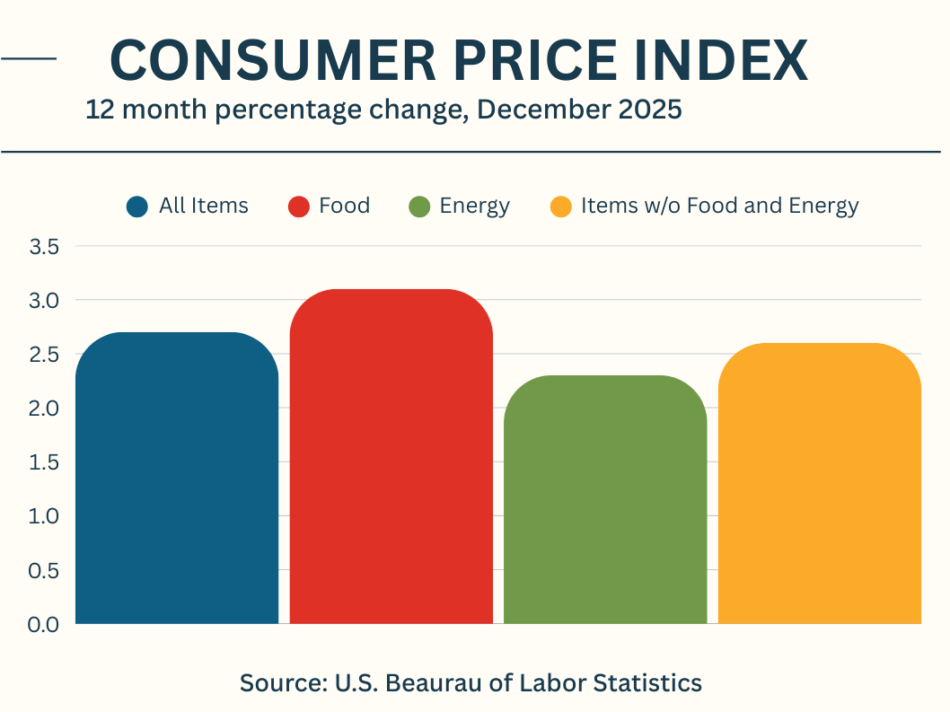
The latest Consumer Price Index (CPI) report underscores this growing gap. In December, inflation rose 0.3% month over month, bringing the annual rate to 2.7%, well above the Federal Reserve’s 2% target. Food prices remain a significant driver of financial strain. Prices for food at home and at restaurants each increased 0.7% in just one month. Over the past year, grocery prices rose 2.4%, while food away from home climbed 4.1%.
Many of the foods most associated with a healthy diet have seen especially sharp increases. Coffee prices are up nearly 20% over the past year. Beef and veal have increased more than 16%, frozen fish and seafood nearly 9%, lettuce more than 7%, and bananas almost 6%. Nonalcoholic beverages are also up more than 5%. At the same time, families are facing rising costs beyond food, with electricity prices increasing 6.7% and overall utility costs up 10.8% year over year.
Further showcasing how Americans are experiencing these costs emotionally, Primerica’s Financial Security Monitor shows that 60% of respondents feel stressed about money and 44% feel discouraged, with inflation cited as the top stressor. When the survey launched in 2020, about half of middle-income Americans said their income was falling behind the cost of living. Today, that figure has climbed to 69%.
At Harvesters – The Community Food Network, we see the real-world consequences of these trends every day. Our pantry partners are serving significantly more neighbors, including a growing number of people seeking food assistance for the first time. In our service area, 1 in 7 individuals and 1 in 6 children experience food insecurity. And those numbers are rising.
This increased need comes at a time when proposed changes under HR-1 would reduce SNAP support by approximately $186 billion over 10 years through major structural changes, eligibility restrictions, and benefit cuts. This would be the largest reduction in SNAP’s history and would weaken a 50-year national commitment to ensuring families can afford an adequate diet, regardless of where they live.
SNAP and other federal assistance programs are critical in the fight against hunger. For every one meal provided by a food bank, SNAP provides nine. Harvesters and the charitable sector simply cannot fill the gap these cuts create, especially as food banks and pantries are already operating at capacity.
The neighbors we serve value work, independence, and personal responsibility. They are doing their best to get back on their feet, even as food prices rise and safety nets shrink. Addressing hunger has always required a strong public-private partnership. As healthy food becomes less affordable in practice, community support—for federal nutrition programs and for local food banks like Harvesters—is more essential than ever.