
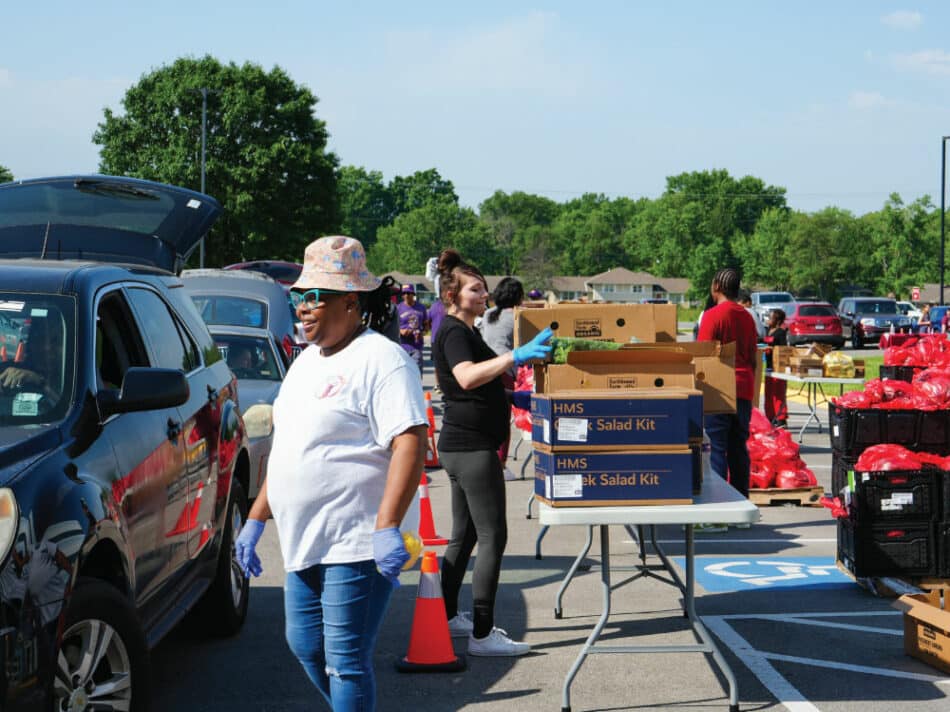
When people think of summer, many imagine vacations, neighborhood cookouts, trips to the pool and kids enjoying a leisurely break from school. But for millions of families across the country, including thousands in Harvesters’ service area, summer brings a sense of anxiety rather than freedom.
The end of the school year often means the loss of one of the most reliable sources of nutrition children receive every day in school meals. During the school year, free and reduced-cost breakfast and lunch programs help families stretch tight budgets a little further. Without these meals, parents have to figure out how to replace them while also juggling higher childcare costs, increased utility bills, and reduced work flexibility.
For many families, school meals are not just helpful. They are essential. Feeding America estimates more than 22 million children rely on free or reduced-price meals during the school year. Once classes let out, parents have 10 additional meals per child to provide every week. In Harvesters’ service area, 1 in 6 children are at risk of hunger.
Summer also creates challenges that go far beyond food itself. Many parents lose the structure that school provides. During the academic year, children spend much of the day in a predictable environment where they have access to meals, supervision, and activities. In the summer, parents often scramble to find affordable childcare while still trying to maintain work schedules. Camps and summer programs can cost hundreds of dollars per child, making them out of reach for many households.
And while summer meal programs exist in some communities, they are not always accessible to parents.
The Food Research & Action Center (FRAC) has repeatedly highlighted how difficult it can be for families to participate in summer nutrition programs. In its 2024 summer nutrition report, FRAC found that participation dropped significantly after temporary pandemic-era flexibilities ended. Only 15.3 children received summer lunch for every 100 children who received free or reduced-price lunch during the school year.
Transportation is one of the biggest barriers. Many summer meal sites are located at schools, community centers, or parks that may not be within walking distance for families. Parents without reliable transportation may not be able to bring children to meal sites every day, especially while working.
All this said, resources do exist for families during these months. Below, we’ve compiled a handful of summer-specific resources in our service area beyond our pantries and mobile distributions. If you find yourself in need of extra assistance, or know someone who is in that position, please take a moment to see if you would qualify for any of these benefits.
SUN Bucks
SUN Bucks is a program to help families buy food for their school-aged children during the summer months of June, July, and August. Families will get a one-time $120 benefit per qualifying child loaded onto an EBT card. These funds can be used to buy nutritious foods at authorized locations. Eligible children can also participate in other summer meal programs, and receiving SUN Bucks has no effect on immigration status. Learn more here:
Missouri: https://mydss.mo.gov/SUNBucks
Kansas: https://www.dcf.ks.gov/services/ees/Pages/Food/SUNBucks.aspx
Sunflower Summer
Sunflower Summer offers Kansas families a get out of the house free card you can carry in your pocket. It’s a chance to have free rein (and free admission) visiting museums, zoos, historical attractions, and nature centers. The program runs July 9 – August 8. Learn more at: https://sunflowersummer.org/
Transportation Assistance in Kansas City
United Way of Greater Kansas City and the Kansas City Area Transportation Authority (KCATA) are working together to offer financial assistance for full or partial bus fares for neighbors. Those who may be eligible can apply here: https://unitedwaygkc.org/RideKC/